
Missed a Football Trial, Waitlisted or Not Selected? What to Do Next
Practical next steps when your child misses a football trial, is waitlisted, or isn't selected for a JDL, Youth League or academy squad in NSW.
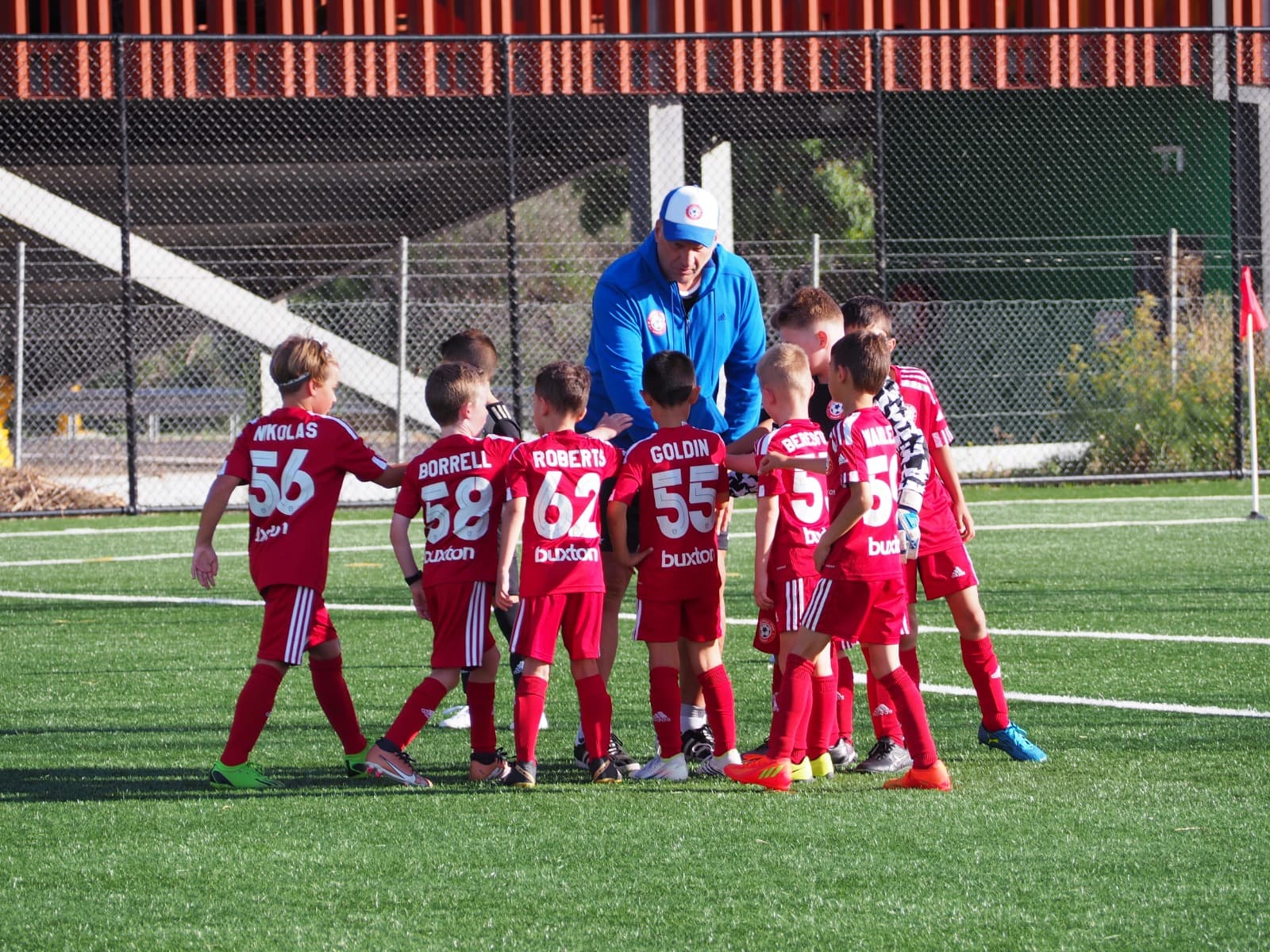
Sometimes the EOI closes before you even see it. Sometimes your child trials and gets asked to come back. Sometimes the offer goes to someone else. And sometimes there's just no clear answer at all.
These situations feel similar, but they need different responses. The first job is to work out exactly where your child stands — then act calmly, rather than immediately signing up for every alternative program you can find.
Looking for another opportunity? Check the 2027 Trials & EOI Tracker to see which clubs, academies and sports high schools are still accepting registrations.
Situation one: you missed the EOI
A closed online form doesn't always mean the club has finished selecting. Check the website and socials for a second trial date, an extended closing date, a late-registration form, age groups with remaining spots, or a contact address for trial enquiries.
If nothing's clear, send one short, polite message:
Subject: 2027 U11 Girls JDL trial enquiry — Taylor Smith
Hi [Name],
We recently came across the club's 2027 U11 Girls JDL EOI, but the form appears to have closed. Could you let us know whether any further trial sessions, late registrations or waitlist places are expected for this age group?
Taylor currently plays with [current club]. We completely understand if the intake is complete, but we'd appreciate being considered if another opportunity comes up.
Thanks, [Parent name] · [Mobile]
Keep it brief, and don't attach a big highlights package unless they ask. The club may say no — but it might also add the player to a list, suggest another age group, or come back to you if a place opens up. (Don't imply clubs are obliged to accommodate late applications.)
Situation two: your child is invited back
A callback usually means the club wants another look. It may be assessing how the player performs in a smaller group, how they fit a position, how they respond to coaching, or how they compare with returning players. Treat the next session as another chance to play — not a final exam.
Skip the "they must really like you, so don't mess it up" pep talk. Better: they'd like to see you play again — approach it the same way as last time. Confirm whether they must attend every remaining session and when decisions are expected.
Situation three: your child is waitlisted
A waitlist isn't an offer, but it isn't necessarily a rejection either. Clubs use waitlists while selected families decide, another trial finishes, squad numbers are confirmed, or a positional vacancy is resolved. Ask two reasonable questions: is there an approximate date the waitlist will be resolved, and should you keep considering other clubs?
Don't stop looking elsewhere unless the club gives your child a confirmed place. It's also fine to tell the club if another offer has a deadline — keep it factual rather than using it to pressure the coach.
Situation four: your child wasn't selected
This one can hurt, especially when your child really wanted it. Give them time to be disappointed. Don't rush into explaining why the coaches were wrong, listing everything they did well, comparing them with selected players, or booking extra training as a punishment.
A better response: I know you wanted that place, and it's okay to be disappointed. We don't have to decide what happens next tonight.
A non-selection means the club didn't offer a place in that particular squad through that particular process. It doesn't necessarily mean your child can't reach that level later, that every coach would decide the same way, that they played badly, or that their potential has been settled. Clubs select for their immediate needs — returning players, available positions, squad balance, the number of places, and performance across a short assessment. It matters, but it isn't a complete measurement of a young footballer. (Take general reassurances like "plenty of good players have ordinary trials" as perspective, not proof.)
Should you ask for feedback?
It's reasonable to ask once, politely — but large trials may have too many players for individual reports, so don't assume feedback will be available. Something like: thank you for the opportunity to trial. If brief feedback is available, Taylor would appreciate one or two things to work on over the coming months.
Avoid framing it as an appeal ("why wasn't my child selected?", "which players were better?", "can you reconsider after watching this video?"). If they do share feedback, listen for something usable — you don't have to agree with every point, but arguing rarely helps the player.
Look for clubs that are still open
Different clubs run on different calendars. While one has finished selecting, another may still have its first EOI open, be holding trials later, need players in a particular age group, or lose players who accept offers elsewhere. Use the 2027 Trials & EOI Tracker and filter by region, age and pathway. Just check the travel and commitment are realistic — an available place isn't automatically a suitable place.
Community football is a genuine option
Community football isn't just where kids go after missing a selective team. It can offer regular weekly matches, the chance to play with friends, a bigger role in the team, less travel, lower overall pressure, and room for another sport or activity. Quality varies between clubs and teams, just as it does in selective programs, so ask about grading, coaches, training frequency and likely team level.
For some kids, a season playing regularly and confidently in community football beats joining a demanding program where they get limited game time. And a player can often combine community football with a separate weekly development session where the schedule and registration rules allow.
Consider academies carefully
Private academies can be another option — but understand what's actually on offer. There's a real difference between a selected academy competition squad, a development squad, an open weekly training program, a summer team, a tournament-only group, and holiday clinics. A full-time academy squad may compete in IFA, an SPL competition or another independently run league; a training academy may not play regular matches at all. Ask:
- Which competition does this team play in?
- How many games are guaranteed?
- Is this a selected squad, or can anyone enrol?
- Are there several squads within the same age group?
- Who will coach the group?
- Is the advertised fee the complete cost?
- Can the player also stay with a community or Football NSW club?
- How many total football sessions per week?
Independent competitions can be great experiences — judge them on the actual coaching and playing environment, not on whether the name sounds advanced. Our NSW Youth Football Pathways guide compares JDL, Youth Leagues, IFA, SPL, A-League programs and community football in more depth.
A-League development programs
A paid program carrying an A-League club's name is tempting after a knock-back. Check whether it's the club's selected academy, a pre-academy or development program, a talent-ID activity, or an open program available to paying participants. An open development program can offer quality coaching and a good experience — just don't present it to your child as academy selection when it isn't.
Futsal and summer football
Futsal and summer competitions keep a child playing through the outdoor break — more touches in tight space, quick decisions, a different social group, another enjoyable form of the game. They don't need to be a reaction to disappointment. Before enrolling, check the total load: adding a full futsal season, private training, an academy program and repeated trials can turn one missed selection into an exhausting schedule. Choose activities because they suit the player, not because the family feels it has to compensate.
Don't panic-book every alternative
After a non-selection, adults often feel the urge to "do something" — and a child gets signed up for several programs before anyone's worked out what they actually need. Pause and ask:
- Does the child even want more football right now?
- What did they enjoy about this season?
- What environment helps them play confidently?
- Is there one area they genuinely want to improve?
- How much training can the family and child realistically manage?
- Are we choosing this for development, enjoyment, or reassurance?
More football isn't automatically better football. A consistent program with a good coach, regular matches and enough rest usually beats a crowded week of disconnected sessions.
How to talk to your child
Language that helps:
- "This is disappointing, but it doesn't decide what happens next."
- "Do you want to talk about it now, or leave it for a while?"
- "We can look at the options together when you're ready."
- "One coach made a decision for one team — you can still keep playing and improving."
Language to avoid:
- "The coach had no idea what they were doing."
- "You were better than the players they picked."
- "We'll prove them wrong."
- "You need to train harder from now on."
Those feel supportive, but they can teach a child to blame others, compare themselves constantly, or see extra training as punishment.
A simple plan for the next few months
Once the disappointment settles, keep it manageable:
- Choose a suitable playing environment — another selective club, community football, an academy competition team, or the current club. Prioritise coaching, game time and whether the child wants to attend.
- Pick one or two development areas — not a long list of faults. Maybe receiving on the move, the weaker foot, one-versus-one confidence, scanning before the ball arrives, defensive positioning, or getting more involved.
- Keep playing — development comes from consistent football across months and years, not one intense reaction after a trial.
- Review later — after part of the next season, ask whether they still want to trial again and whether the current environment is helping.
There's no need to decide the next twelve months in the first hour after an email lands.
Missing one trial closes very little
At nine, eleven or fourteen, a child's football story is still being written. Players develop at different speeds, clubs change coaches, teams gain and lose players, and a kid may find a better position or simply be ready at a different time.
The task isn't to prove the trial decision wrong. It's to help your child find a place where they can keep playing, learning and enjoying football.
Start with the 2027 Trials & EOI Tracker, contact any realistic late options, and then choose the environment that makes the most sense for the player — not the one that best repairs the disappointment.